
How to Explore Guarujá's History and Culture
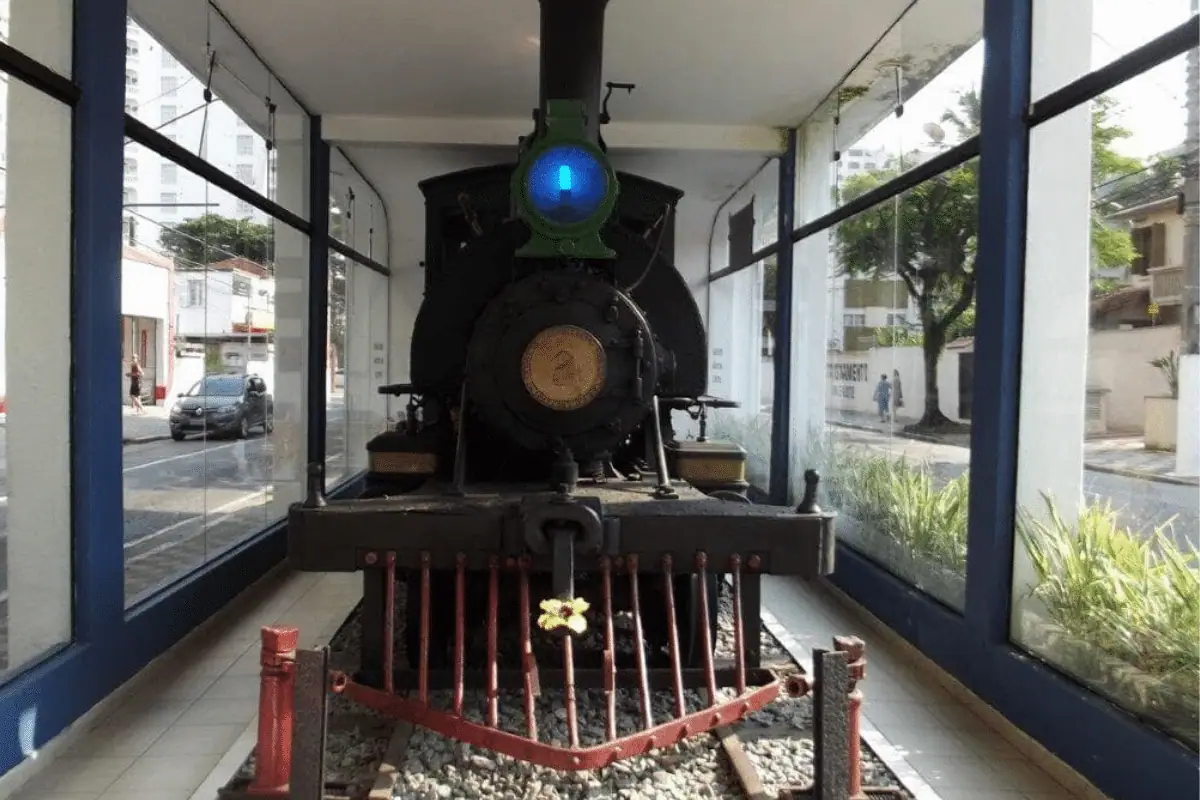
Guarujá is known for its beaches, but Santo Amaro Island has a history that begins in the early years of Portuguese colonization and includes the creation of one of Brazil's pioneering seaside resorts. This guide shows how to explore that history — and the caiçara culture (the traditional fishing culture of the coast) that is still alive in the city.
Guarujá's history in four moments
| Period | What happened |
|---|---|
| 16th century | Santo Amaro Island gets fortifications to protect the entrance to the Port of Santos, such as the Fortaleza da Barra Grande (late 16th century), and chapels such as the Santo Antônio do Guaibê Hermitage, now in ruins. |
| 1893 | A resort company opens Guarujá's summer village, with the Grande Hotel de La Plage and prefabricated chalets, and the island becomes a summer retreat for São Paulo's elite. |
| 1934 | Guarujá becomes a municipality, separate from Santos. |
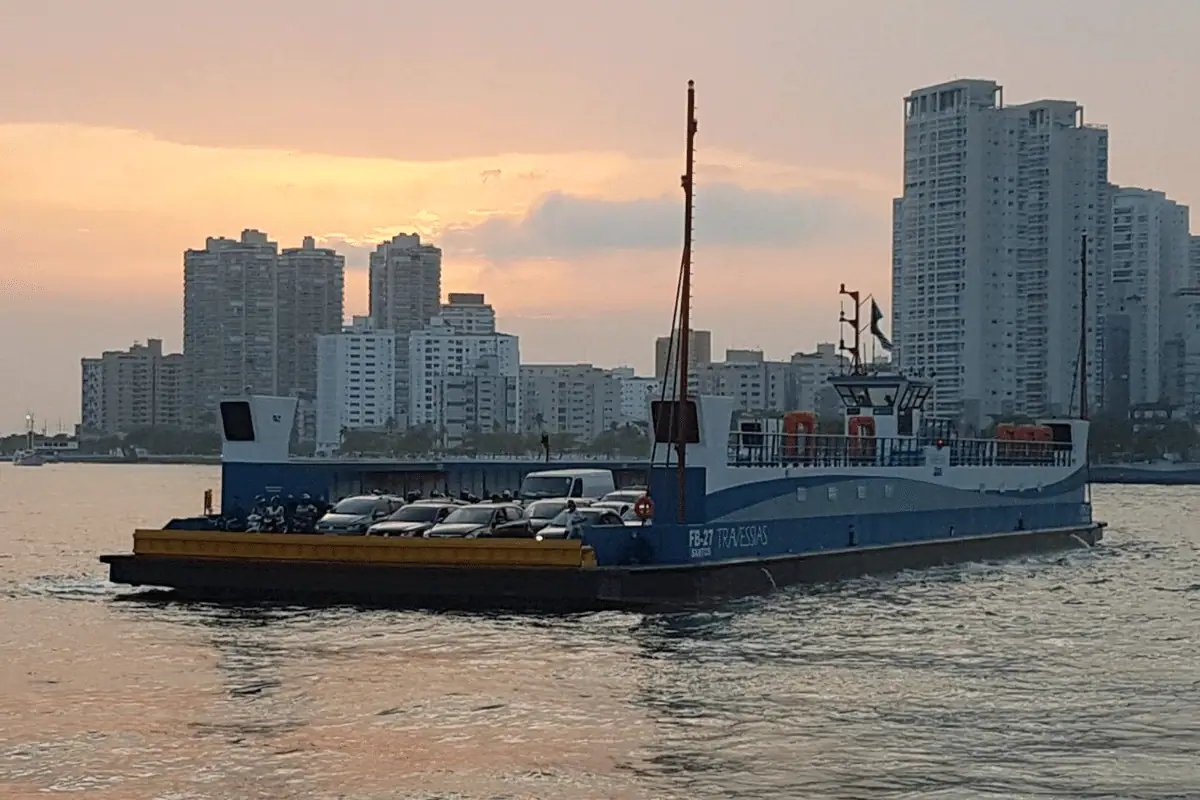
| 20th century | The ferry, the highways and the waterfront high-rises turn the village into the leading beach destination in the Baixada Santista region. |
The full story is in History of Guarujá: the Pearl of the Atlantic.
Historic sites to visit
- Fortaleza de Santo Amaro da Barra Grande: at the entrance to the port channel, it is the island's oldest and most iconic building, with views of Santos.
- Forte dos Andradas: between Tombo and Guaiúba, it belongs to the Army and has its own visiting rules — check before you go.
- Forte do Itapema: in Vicente de Carvalho, it is being restored to become a cultural center.
- Guaibê Hermitage ruins: the remains of a 16th-century chapel on the side of the island facing the Bertioga Channel.
A detailed itinerary, with what to see at each site, is in Cultural tourism in Guarujá. For museums, take the ferry across to Santos — see the museums of the Baixada Santista.
Caiçara culture
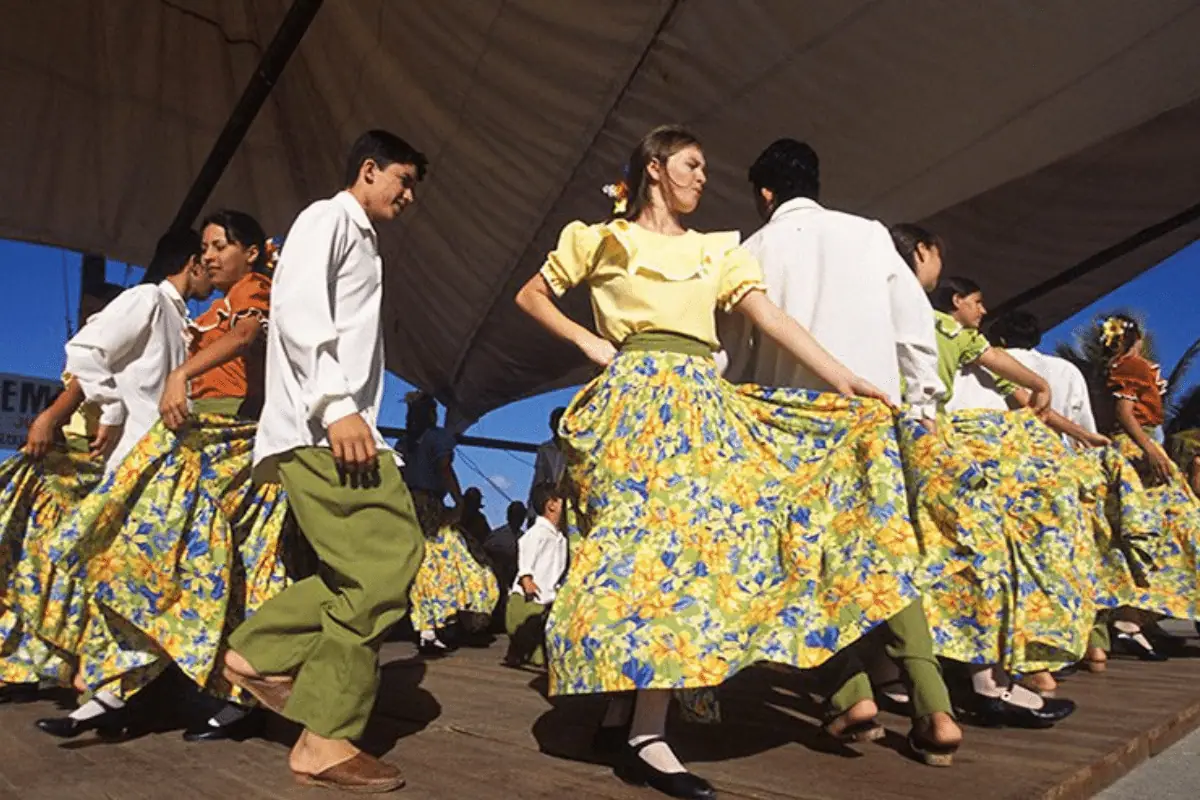
Before tourism, the island was home to fishing communities. That heritage lives on in the artisanal fishing at Perequê Beach, in the community at Prainha Branca, reachable only by trail or boat, and in the fish- and seafood-based cooking. To learn about the traditions, read Caiçara culture and folklore in Guarujá and caiçara cuisine.
Art, crafts and events
The craft fairs along the waterfront, especially in high season, feature work by local artisans, beachwear and souvenirs — see where they are in shopping and souvenirs in Guarujá. Throughout the year, the city hosts popular festivals, summer concerts and religious festivals in the neighborhoods; the lineup changes every season, so check the official calendar before your trip.
Suggested one-day itinerary
- Morning: the Fortaleza da Barra Grande and the view of the port channel.
- Lunch: fish or seafood at a waterfront restaurant.
- Afternoon: the ferry to Santos for a museum, or a hike to Prainha Branca.
- Late afternoon: a craft fair and sunset at Enseada.
Back at Hotel Doral Guarujá, on Enseada Beach, relax with the climate-controlled pool and beach service, a short distance from all of this.
Frequently asked questions
What are the main historic sites in Guarujá?
The Fortaleza de Santo Amaro da Barra Grande, Forte dos Andradas, Forte do Itapema (being restored) and the Guaibê Hermitage ruins.
When was Guarujá founded?
The seaside village opened in 1893, and Guarujá became a municipality in 1934. Settlement of Santo Amaro Island, however, dates back to the 16th century.