
The History of the Ferry That Links Santos and Guarujá
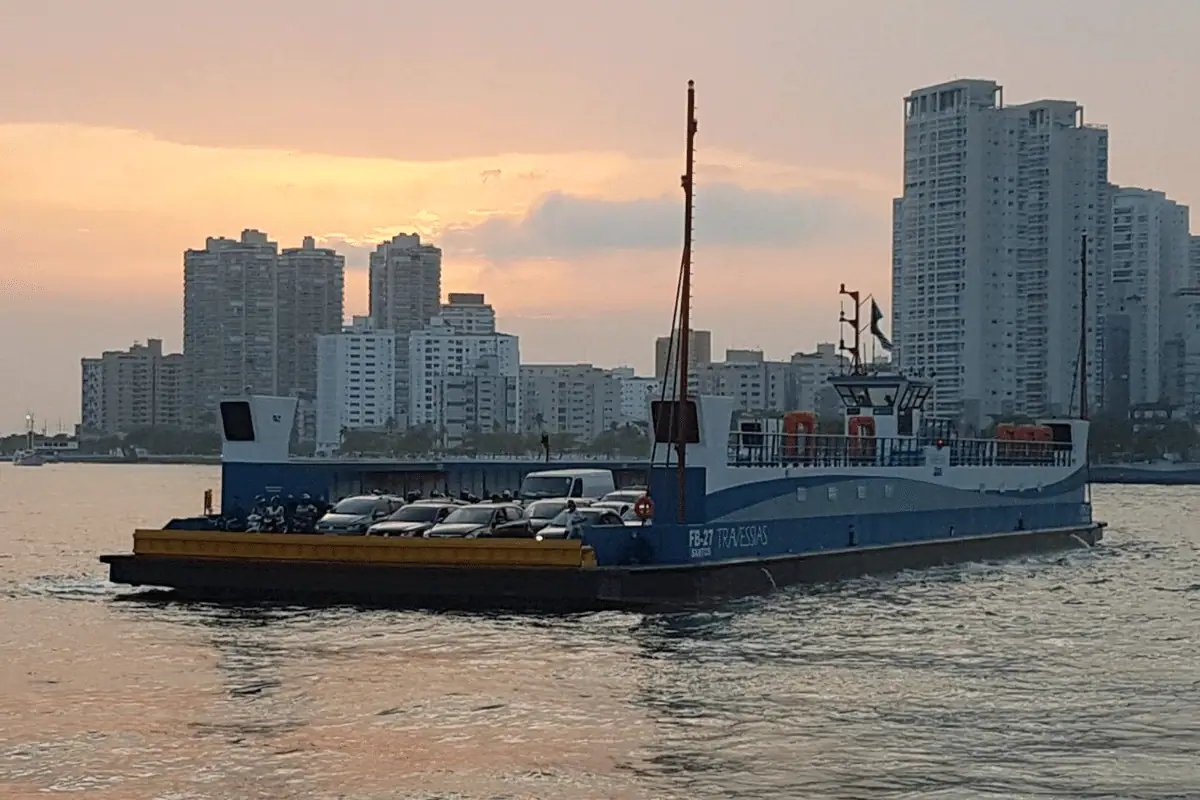
The crossing between Santos and Guarujá is far more than a simple means of transportation: it is a historic and cultural link between two of the most beautiful cities on the São Paulo coast. Over the years it has become essential not only for residents and visitors getting around, but also for the region's economic and social development. In this article we trace the history of the ferry (“balsa” in Portuguese) that connects Santos and Guarujá, from its origins to its importance today.
The first crossings: a practical need
The story of the Santos–Guarujá crossing goes back to the early 20th century, when population growth and the expansion of the Port of Santos created the need to connect the two cities. At the time, the only way across the channel was by rudimentary boats carrying people and goods between the two shores. These early services were privately run, often in wooden rowboats.
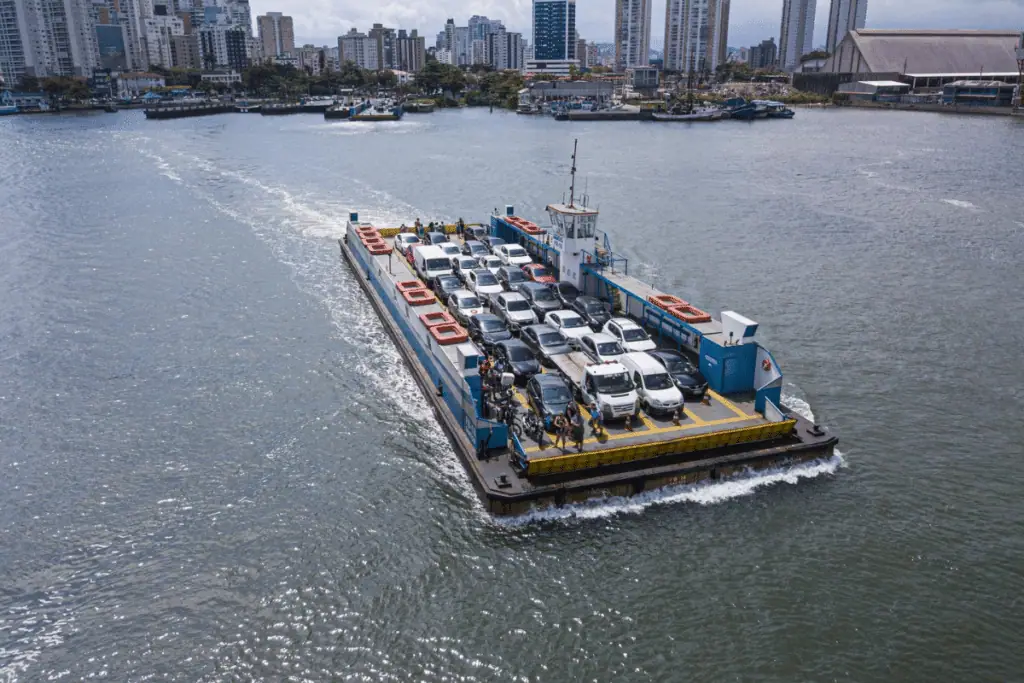
The ferry service as we know it took shape over the course of the 20th century, with the arrival of vehicle ferries carrying cars, cyclists and foot passengers more safely and efficiently. According to Semil, these ferries were essential to the urban development of Santos and Guarujá, improving access and boosting tourism in both cities.
Expansion and modernization: the 1960s onward
In the 1960s, the crossing underwent major modernization. New vessels with greater capacity and more efficient propulsion were introduced to handle the growing flow of vehicles. As tourism grew, the ferries began running more often, especially on weekends and holidays.
During this period, the state government took over the service and worked to improve infrastructure and operations, making the crossing safer and faster. According to the Costa Norte portal, the ferries gained more powerful engines and technology that allowed them to operate in rough weather, making the service more reliable.
The 2000s: sustainability and technology
From the 2000s, the operation began to focus on sustainability and reducing environmental impact. New vessels with lower-emission engines were an important step. Semil notes that there is an ongoing effort to modernize the fleet with cleaner fuels and systems that reduce environmental impact.
Monitoring systems such as live cameras and real-time updates on the crossing have also improved the experience, helping daily commuters cut their wait times.
Why the ferry matters for tourism and the economy
The ferry is not just transportation: it plays a vital role in the tourism and economy of Santos and Guarujá. For many visitors it is the gateway to Guarujá, known as the “Pearl of the Atlantic” for its stunning beaches and its range of leisure and dining options.
The ferry provides access to popular sights such as Enseada Beach, the Fortaleza da Barra Grande fortress and the many bars and restaurants that draw visitors year-round. According to Costa Norte, in high season the crossing can carry thousands of vehicles a day, which shows how important it is for the region's tourism.
Beyond tourism, the ferry is essential for residents who work in Santos and live in Guarujá, and vice versa. This daily link is key to the cities' economic development and to moving goods and services between them.
Challenges and the future of the crossing
Despite its undeniable contributions, the crossing faces challenges, such as the steady rise in vehicles and the need to keep modernizing the fleet. A fixed link between the two cities has been debated for decades — the latest proposal is an immersed tunnel — but until it exists, the ferry remains the main direct connection.
With technological progress and a growing focus on sustainability, the future of the crossing looks promising. Fleet modernization, operational efficiency and a better passenger experience remain priorities, according to Semil.
Final thoughts
The Santos–Guarujá crossing is part of both cities' identity and history. Over the years, the ferry has adapted to its passengers' needs, embraced new technology and remained a symbol of connection and progress. For residents and visitors alike, it is an experience woven into life on the São Paulo coast.
For hours and fares, see our guide to the Santos–Guarujá ferry: live camera and fares and check Semil and Costa Norte.
Discover the facilities and services at Hotel Doral Guarujá and enjoy the best of Guarujá.
Frequently asked questions
Is there a bridge between Santos and Guarujá?
No. The direct link between the two cities is the ferry; a fixed link — currently proposed as an immersed tunnel — has been debated for decades.
How long has the Santos–Guarujá crossing existed?
Since the early 20th century, first by small boats and, over the course of the century, by vehicle ferries.