
Guarujá Beaches: The Complete Guide, Area by Area
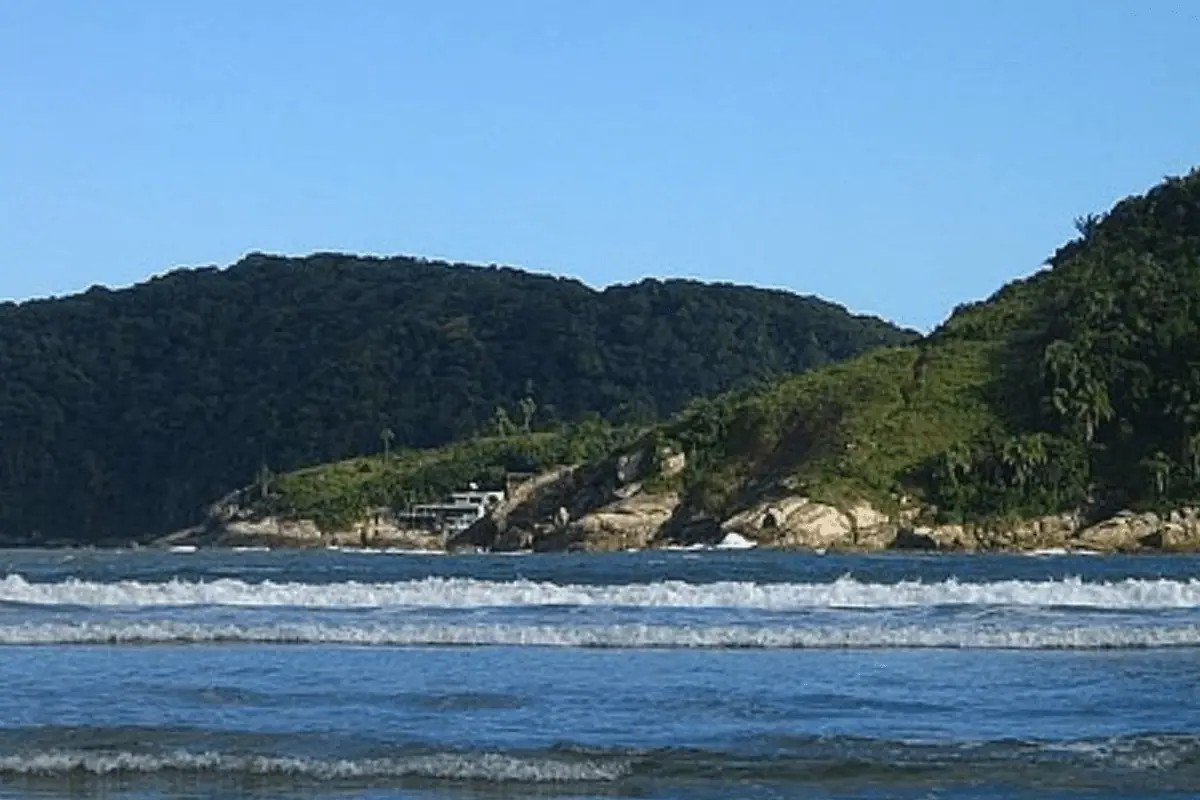
Known as the “Pearl of the Atlantic,” Guarujá has more than 20 beaches spread across Santo Amaro Island: lively city beaches, strong waves for surfing, calm water for kids and unspoiled coves you can only reach by trail or by sea. This guide brings together the main ones, organized by area, so you can pick yours. The full list is in how many beaches Guarujá has.
Which beach suits you
| If you want… | Go to |
|---|---|
| Calm water and family-friendly amenities | Enseada and Astúrias |
| Buzz, shops and nightlife nearby | Pitangueiras |
| Surfing | Tombo |
| Nature with a touch of luxury | Pernambuco and Mar Casado |
| Peace and quiet in the forest | Prainha Branca, Praia Preta and Éden |
| A beach with controlled access | São Pedro and Iporanga |
| Stand-up paddleboarding | Enseada, on calm days |
Enseada, the city's largest beach
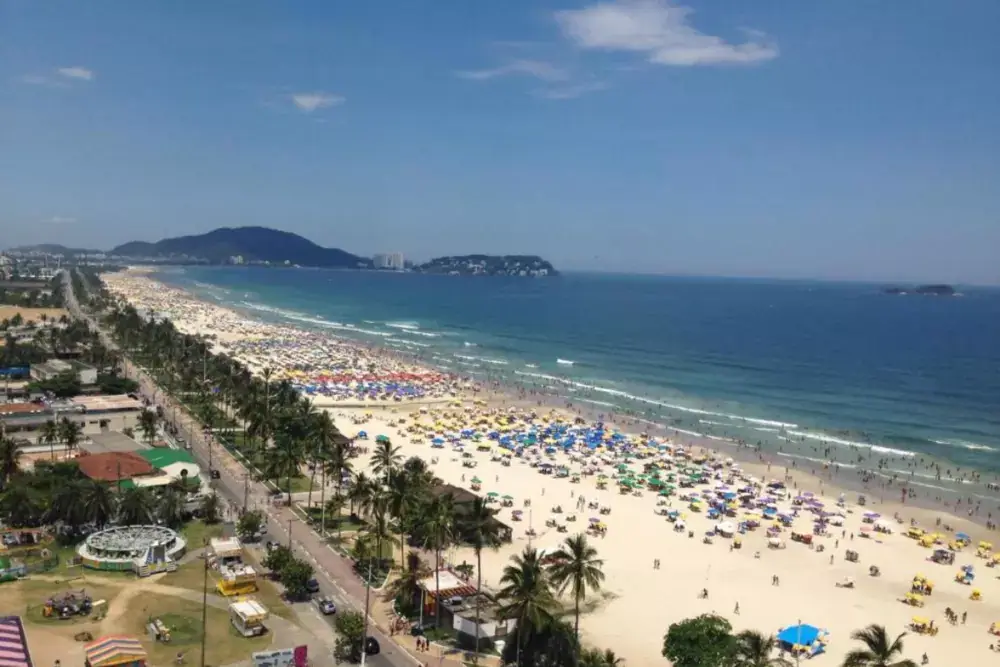
About 5.6 km (3.5 miles) long, Enseada Beach is the largest in Guarujá. The water is usually calm, the sand is wide and the waterfront has a boardwalk, a bike path, kiosks, restaurants and the Acqua Mundo aquarium. At one end is Morro do Maluf, with one of the best views of the beach; at the other, the Tortugas corner, a spot for jet skiing and schooner tours. It's also the favorite beach for stand-up paddleboarding. Hotel Doral Guarujá sits right across from it.
The downtown beaches
Pitangueiras
In the heart of the city, Pitangueiras Beach is the most urban: a boardwalk, shops, bars, restaurants and the La Plage mall nearby. It gets packed in the high season and is the meeting point for those who like a lively scene. Close by are the pavilion that houses the Maria Fumaça — the locomotive of the old train that linked downtown to the ferry boats — and, between Pitangueiras and Astúrias, the Sobre as Ondas building, built on the rock, opened in 1951 and listed as a heritage site in 2013. Compare them in Enseada or Pitangueiras.
Astúrias
Next to Pitangueiras, Astúrias Beach is about 1 km (0.6 mile) long, with usually calm water and restaurants facing the sea. At its tip, Ponta das Galhetas is home to the Galhetas Lookout, reopened in 2021 with a glass floor about 45 meters (150 feet) above the sea.
Tombo
Tombo Beach is Guarujá's surf beach, with strong waves and rocky shores on both sides. It has received the international Blue Flag certification for environmental quality. If you swim, watch out for currents. Guarujá is the city where world surfing champion Adriano de Souza, “Mineirinho,” grew up. See also our guide to surfing in Guarujá.
Guaiúba
Small and quiet, Guaiúba Beach is near Tombo. Between the two neighborhoods is Forte dos Andradas, an Army area with visits subject to its own rules and hours — check before you go.
Pernambuco, Mar Casado and neighbors
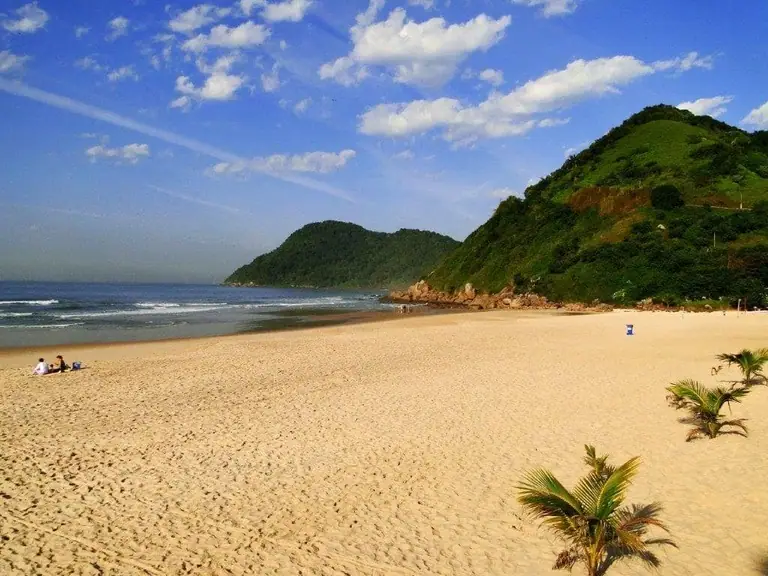
- Pernambuco Beach: surrounded by upscale homes and greenery, it has usually calm water and no waterfront avenue like the others — you reach the sand through side streets. The Jequitimar mall is nearby.
- Mar Casado: at the far end of Pernambuco; at low tide, a strip of sand appears that links the beach to the island in front.
- Éden Beach: between Enseada and Pernambuco, just over 100 meters (330 feet) long, reached by a moderate trail. Arrive early in the high season.
Nature beaches on the way to Bertioga
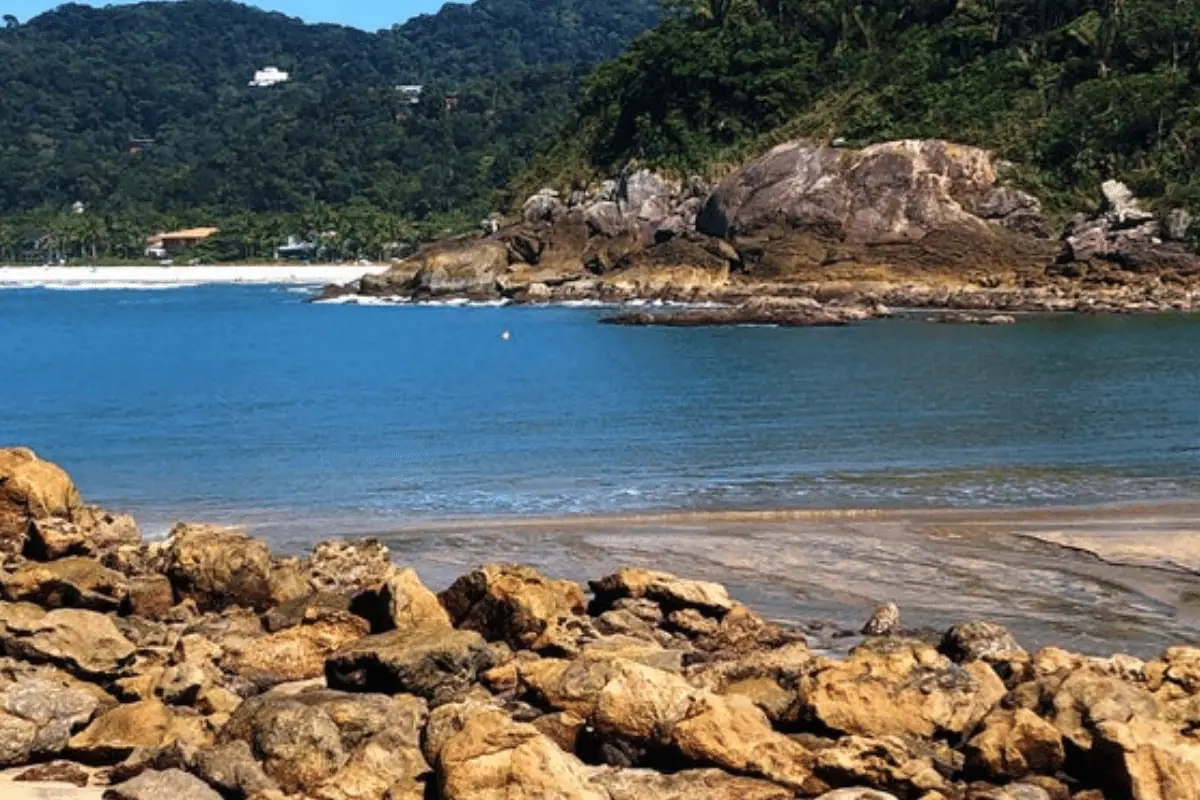
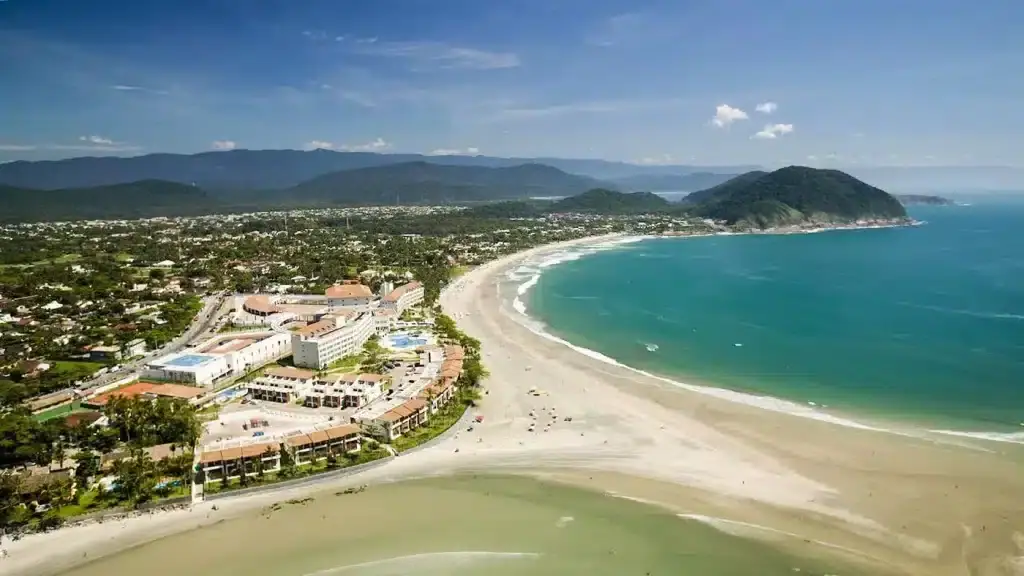
Past Pernambuco, the road runs through the Serra do Guararu, the largest stretch of preserved Atlantic Forest in the city, passing increasingly unspoiled beaches:
- Perequê: Guarujá's fishing-village beach, with seafood restaurants. From here, a trail of about 30 minutes leads to the Perequê waterfall.
- São Pedro and Iporanga: inside gated communities, with controlled access; São Pedro has a daily visitor limit — arrive early.
- Conchas Beach: one of the smallest in the city, about 50 meters (165 feet) long.
- Pinheiro Beach: deserted and popular with water sports fans.
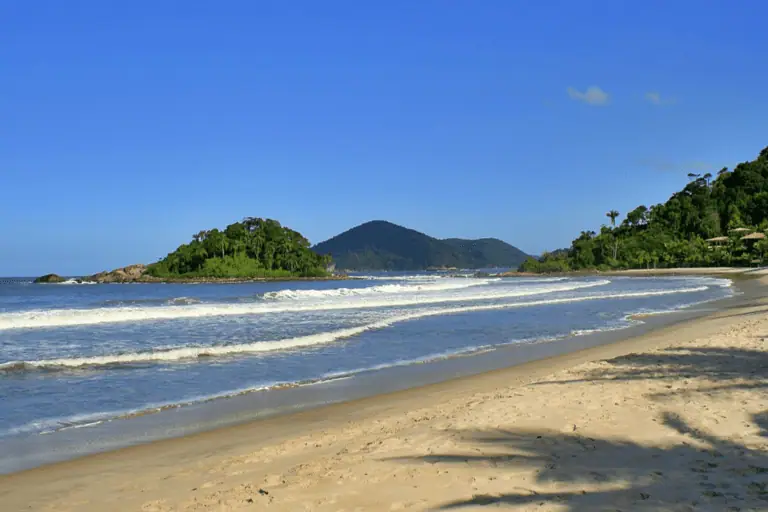
- Prainha Branca: at the tip of the island, near the ferry to Bertioga, reached by a short trail or by sea.
- Praia Preta and Camburi: along the trail from Prainha Branca; the stretch to Camburi is the hardest.
See more in deserted beaches, quietest beaches, most beautiful beaches and city or secluded beaches.
By the port channel
Facing the entrance to the Port of Santos channel, near the Fortaleza da Barra Grande, you'll find small village beaches such as Góes and Santa Cruz dos Navegantes — a simpler side of Guarujá, tied to the city's history.
Beaches for every activity
- Surfing: Tombo is the best-known spot; on days with waves, one end of Enseada also draws surfers. See our guide to surfing in Guarujá.
- Stand-up paddleboarding and kayaking: Enseada on calm mornings, and Pernambuco's usually calm water.
- Snorkeling: Éden Beach and the rocky shores, on calm days with clear water.
- Walking and running: Enseada's boardwalk and bike path, from end to end.
- Fishing: the rocky shores at the ends of the beaches — see sport fishing in Guarujá.
- Beach sports: volleyball, footvolley and beach tennis, common on the downtown beaches and at Enseada.
- Sunset: from the Galhetas Lookout or Morro do Maluf — see Guarujá's lookouts.
Getting between the beaches
From downtown to Pernambuco, the beaches are just minutes apart by car, and Enseada has a bike path along its whole waterfront. For the beaches on the way to Bertioga — Perequê, São Pedro, Iporanga and Prainha Branca — a car is your best bet; in the high season, leave early, because parking near the beaches and the controlled-access spots fill up. See our tips on parking and getting around.
What to bring
- Sunscreen, a hat and water — reapply sunscreen after every swim.
- For trail-access beaches: sneakers or sturdy sandals, a snack and a bag to carry your trash back.
- Cash or a card for the kiosks; deserted beaches have no vendors.
See the full list in what to bring to the beach.
Safety and water quality
- Swim near lifeguard stations and follow the warning flags.
- At Tombo and other steep beaches, watch out for currents; deserted beaches often have no lifeguards.
- Before you go, check water quality in CETESB's weekly bulletin — see the cleanest beaches.
- On trail-access beaches, wear proper shoes, bring water and head back before dark.
- Take your trash with you: many unspoiled beaches have no trash cans.
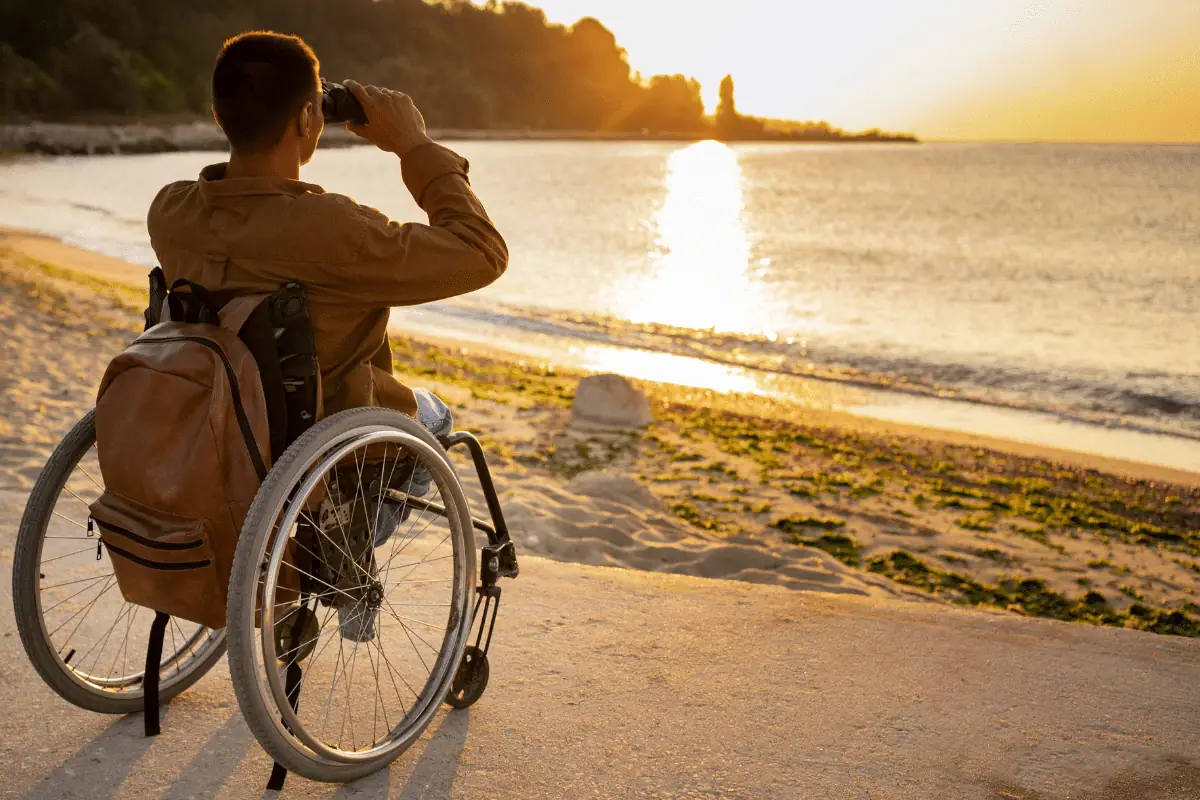
For travelers with reduced mobility, see the accessible beaches.
Best time for the beaches
Summer, from December to March, is the high season: hot days, late-afternoon showers and crowded beaches. In spring and fall, crowds thin out and the sea is usually good for swimming. Winter is drier and mild, with empty beaches that are perfect for long walks on the sand. More in the best time to visit Guarujá.
The beach, with hotel comforts
Staying at Hotel Doral Guarujá puts Enseada Beach at your doorstep, along with the hotel's beach service, from 8 a.m. to 5 p.m.: the chairs and umbrellas belong to the hotel and are set up by its partner kiosk, and the hotel also provides towels. After the beach, the climate-controlled adult pool is open until 9 p.m. For trail-access beaches, head out early — breakfast starts at 7:30 a.m.
Frequently asked questions
What's the best beach in Guarujá?
It depends on what you're after: Enseada and Astúrias for families and calm water, Pitangueiras for buzz, Tombo for surfing, Pernambuco for a touch of luxury and Prainha Branca for nature.
What's the largest beach in Guarujá?
Enseada Beach, about 5.6 km (3.5 miles) long. It's also one of the best-equipped in the city.
What's the best beach in Guarujá for kids?
Enseada and Astúrias usually have calmer water and good kiosks and restaurants, which makes a day with kids easier.
How many beaches does Guarujá have?
More than 20, from city beaches such as Pitangueiras and Enseada to coves reached only by trail or by sea, such as Prainha Branca and Praia Preta.