
Caiçara Culture and Folklore in Guarujá: Treasures Beyond the Beaches
Guarujá is known for its beaches, but Santo Amaro Island is also home to a caiçara heritage — the way of life of the traditional coastal communities, tied to fishing, the forest and the sea. Here is what this culture is about and where you can still experience it.
Legends and tales of the sea
As in other coastal cultures, the caiçara imagination is full of stories passed down through the generations: water spirits such as the Iara, forest guardians such as the Curupira, and fishermen's tales of storms, ghosts and miraculous catches. Many of these stories grew out of a relationship of respect — and fear — toward the sea.
Fandango and other dances
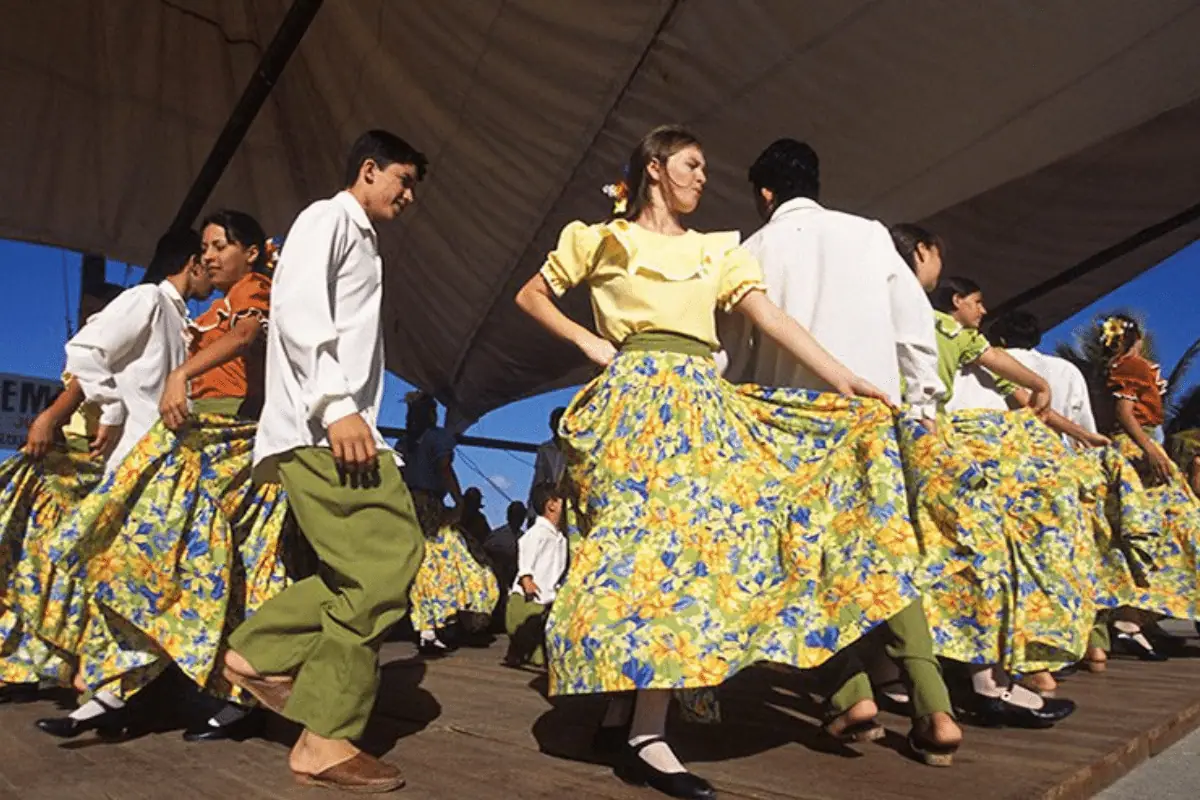
Caiçara fandango, most common in the communities on the southern coast of São Paulo state and in Paraná, is one of the most traditional expressions of this culture. It brings together music, singing and dancing, with instruments such as the viola (a Brazilian folk guitar), the rabeca (a rustic fiddle) and the adufe (a frame drum), and it often livens up festivals and community work days. The dances depict everyday caiçara life, such as fishing and farm work.
Folk festivals
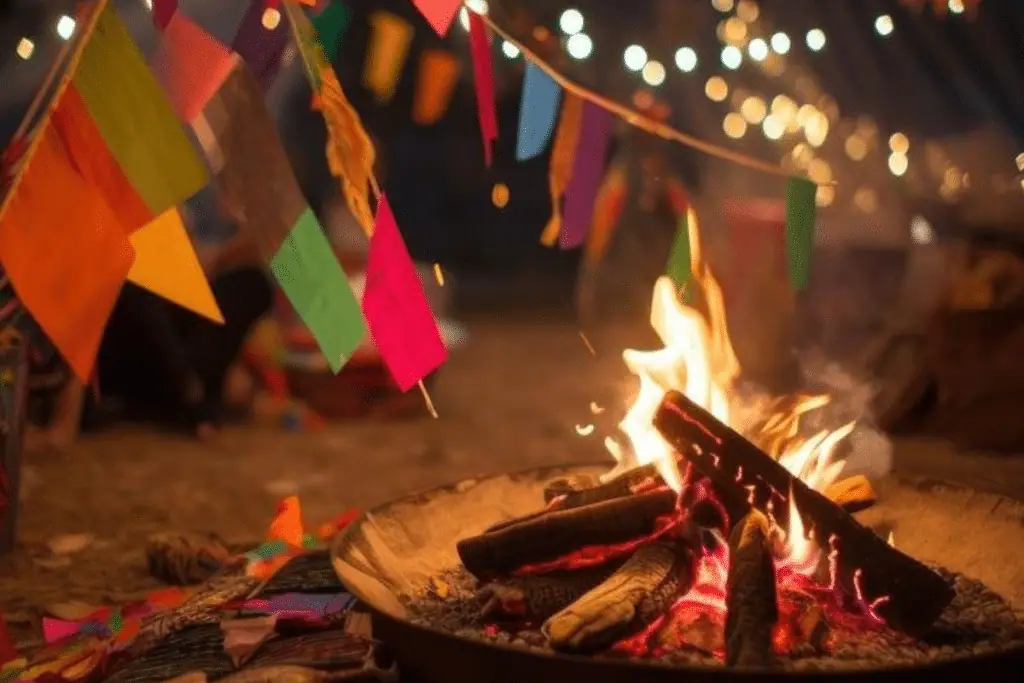
The coastal calendar blends religious and popular traditions: June festivals (festas juninas), celebrations of the fishermen's patron saints, and music and craft events. The schedule changes every year, so check Guarujá's tourism calendar during your trip.
Where to experience caiçara culture in Guarujá
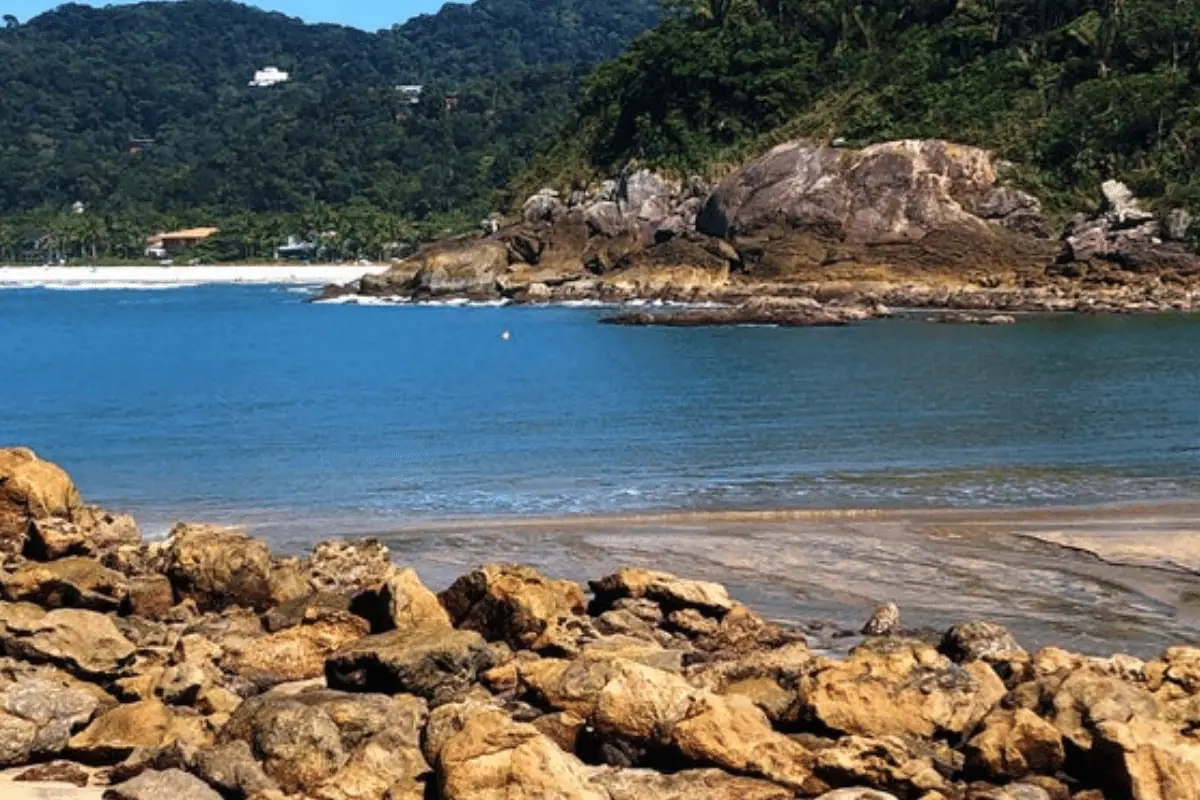
- Prainha Branca: reached by trail or by sea, it is home to a small caiçara community. See the Prainha Branca guide.
- Perequê: the tradition of small-scale fishing is still alive here, with seafood restaurants.
- At the table: dishes such as azul-marinho (fish with green bananas) and lambe-lambe tell the story of the coast. See what to eat in Guarujá and caiçara food.
Who the caiçaras are
Caiçara is the name given to the traditional communities along the coast of southeastern and southern Brazil, formed by a mix of Indigenous, Portuguese and African peoples. They have traditionally lived from small-scale fishing, small farms and crafts, with know-how passed down through the generations — from dugout canoes carved from a single trunk to hand-woven fishing nets.
How to visit respectfully
- Ask permission before photographing residents and their homes.
- Buy crafts and fish directly from the communities.
- Respect nature and local rules on beaches with restricted access.
Frequently asked questions
What is caiçara culture?
It is the culture of the traditional communities along the coast of southeastern and southern Brazil, tied to small-scale fishing, crafts, and festivals and dances such as fandango.
Where can you experience caiçara culture in Guarujá?
At Prainha Branca, home to a caiçara community; in the fishing tradition of Perequê; and in the local food, with dishes such as azul-marinho and lambe-lambe.