
Museums of the Baixada Santista: Add Them to Your Itinerary

Beyond sun and sand, the Baixada Santista region is steeped in history. It is home to Brazil's first town, São Vicente, founded in 1532, and to museums that tell the story of coffee, soccer, the sea and the defense of the coast. Here are four to add to your itinerary.
Coffee Museum, Santos
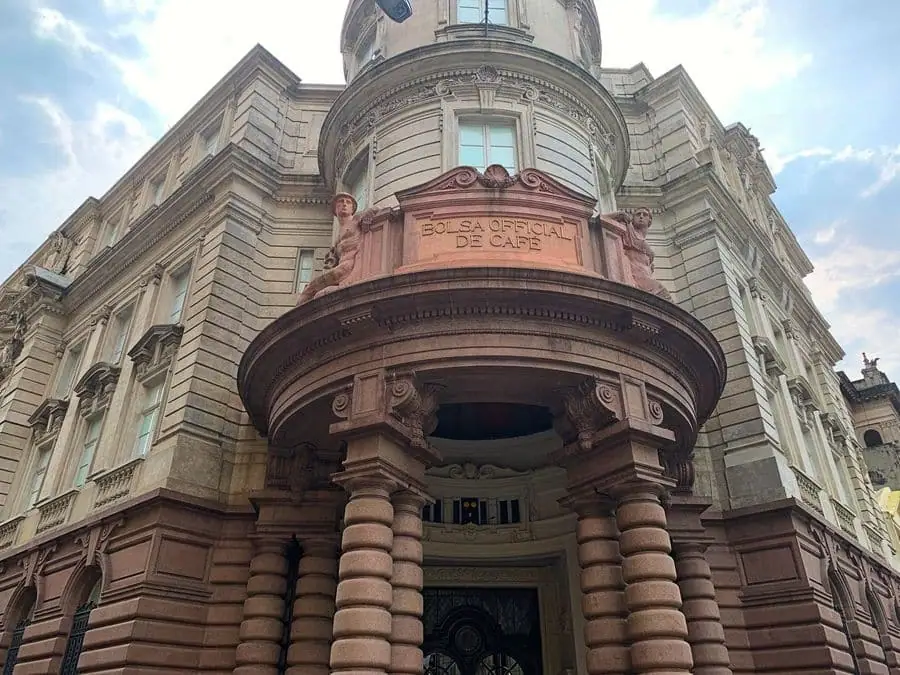
In historic downtown Santos, the Museu do Café (Coffee Museum) occupies the building of the former Official Coffee Exchange. Opened in 1998, it tells the story of coffee in Brazil and around the world through exhibitions, documents and cultural programs. The highlights are the trading floor, where sacks of coffee were bought and sold, and the museum's café, known for its specialty coffees.
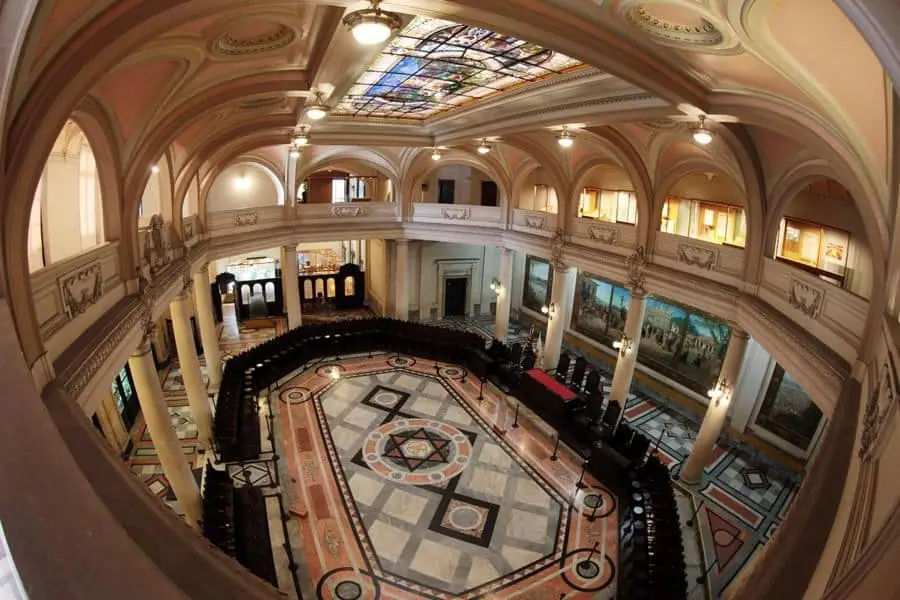
Pelé Museum, Santos
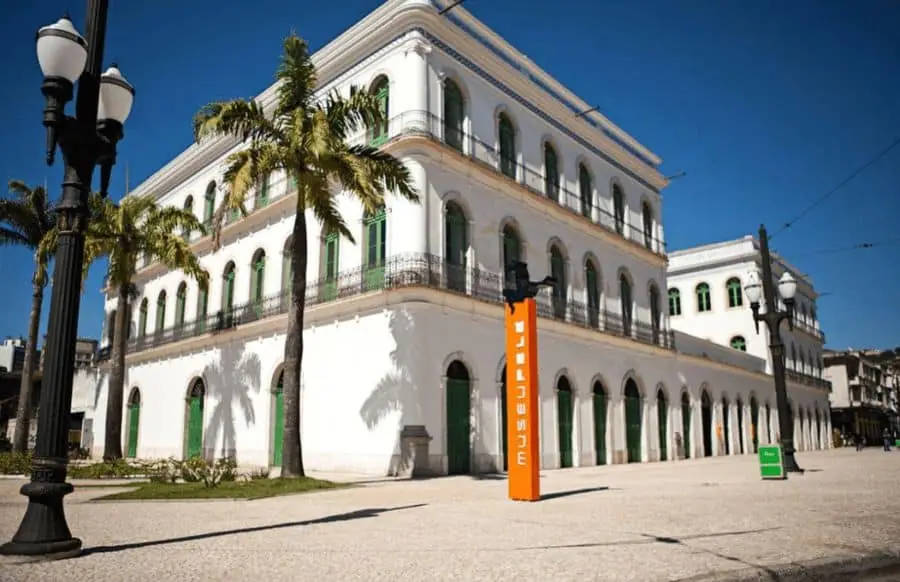
Also in the historic downtown, the Museu Pelé is housed in the Casarão do Valongo, a mansion that once served as Santos City Hall and was restored for the museum's opening in 2014. The collection features jerseys, cleats, trophies, documents and personal items belonging to the King of Soccer, along with interactive activities, and follows his journey from Três Corações, in Minas Gerais, to Santos FC and Brazil's national team. Since it is close to the Coffee Museum, you can visit both in one day.
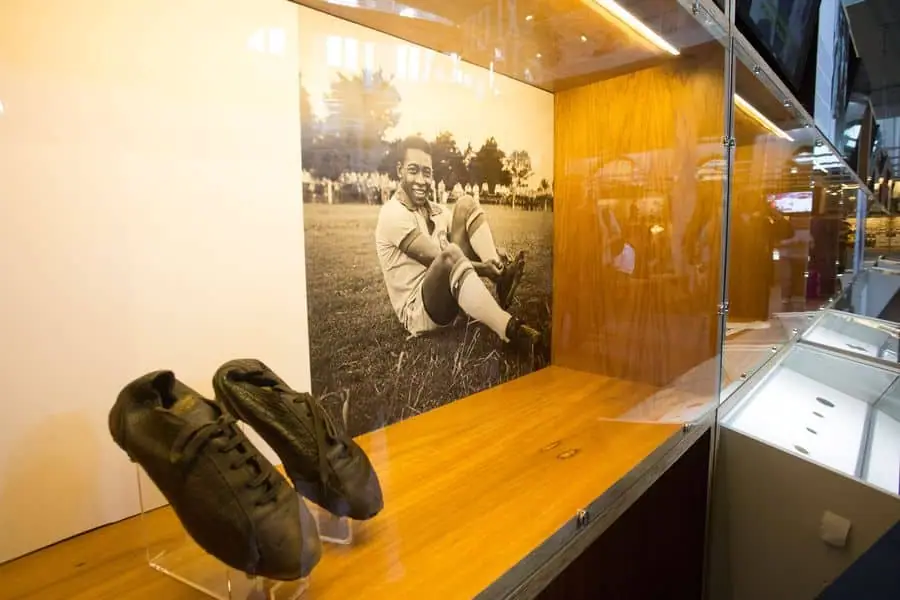
Fishing Museum, Santos
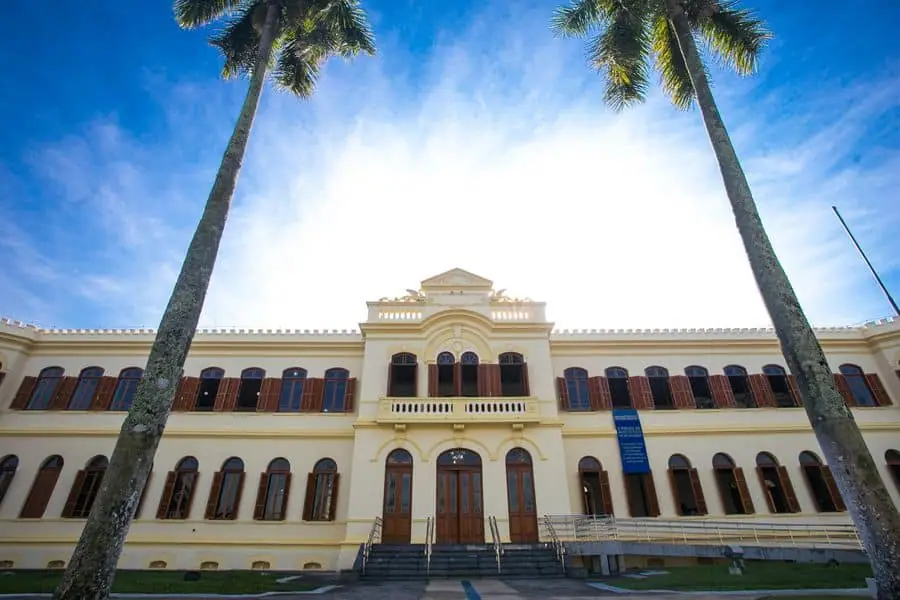
In Ponta da Praia, near the ferry to Guarujá, the Museu de Pesca (Fishing Museum) is housed in a mansion built in 1908. The collection includes fish, birds, crustaceans and marine mammals, shells, model boats and fishing gear. The star is the skeleton of a 23-meter (75-foot) fin whale that washed ashore in Peruíbe in 1941; there is also a giant squid.
Fortaleza da Barra Grande, Guarujá
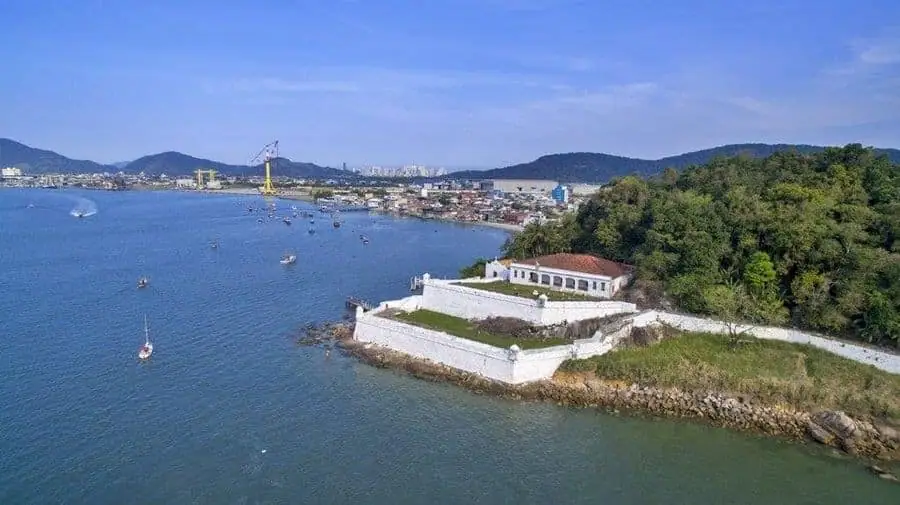
On the Guarujá side, the Fortaleza de Santo Amaro da Barra Grande was built starting in 1584 to protect the entrance to the estuary and the town of Santos. Protected by IPHAN, Brazil's national heritage institute, it has exhibition spaces on the region's history and a lovely view of the channel. Learn more in cultural tourism in Guarujá.
Tips for your itinerary
- Hours: museums usually close one day a week and change their hours on holidays — check their official channels before you go.
- Getting there: from Guarujá, take the ferry across to Santos; the Fishing Museum is close to the landing, and the downtown museums are near each other.
- Cloudy days: museums are a great plan on rainy days — see also what to do when it rains in Guarujá.
Stay at Hotel Doral Guarujá
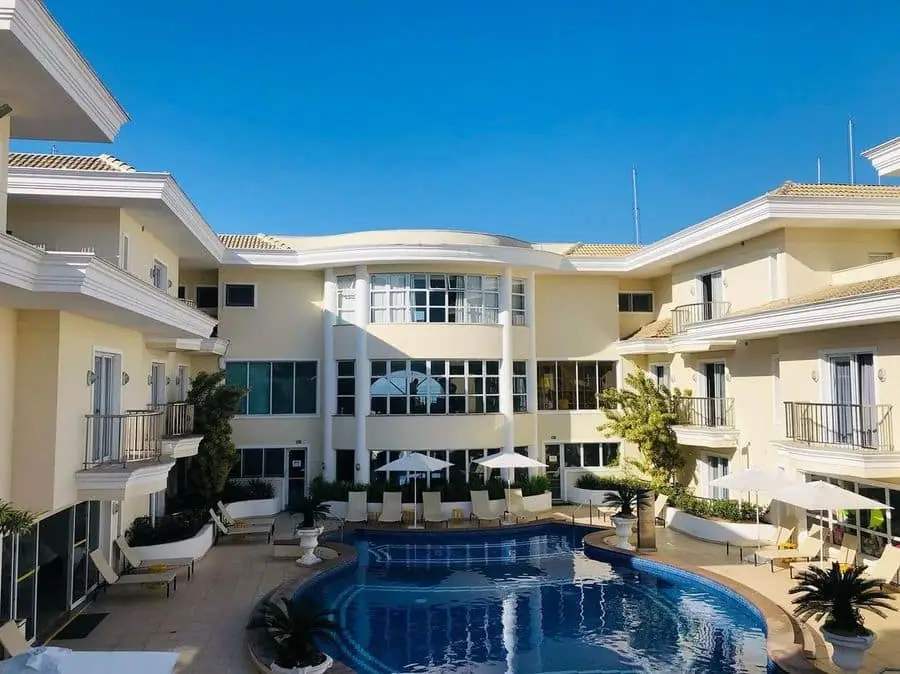
Hotel Doral Guarujá faces Enseada Beach, so you can spend the day at the museums in Santos and be back in time for the climate-controlled adult pool or dinner at MONY restaurant. To book, message our team on WhatsApp, 24 hours a day.
Frequently asked questions
What are the main museums in the Baixada Santista?
Some of the most visited are the Coffee Museum and the Pelé Museum, in historic downtown Santos; the Fishing Museum, in Ponta da Praia; and the Fortaleza da Barra Grande, in Guarujá.
Can you visit the museums in Santos from Guarujá?
Yes. Just take the ferry across the channel to Santos: the Fishing Museum is in Ponta da Praia, near the landing, and the Coffee Museum and Pelé Museum are in the historic downtown.