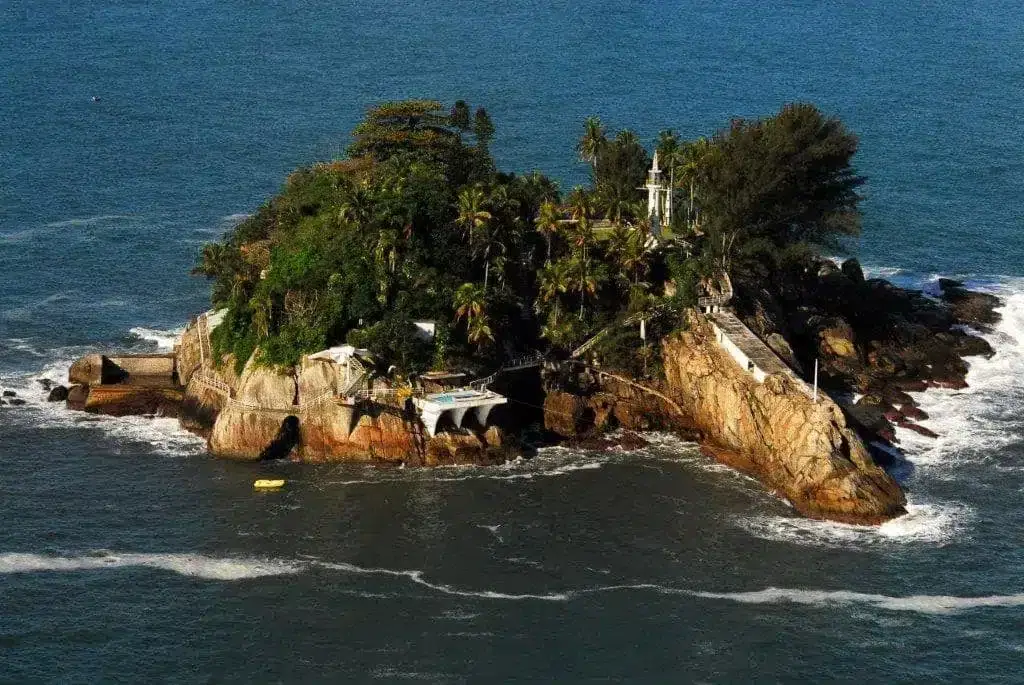

The History of Guarujá, the Pearl of the Atlantic
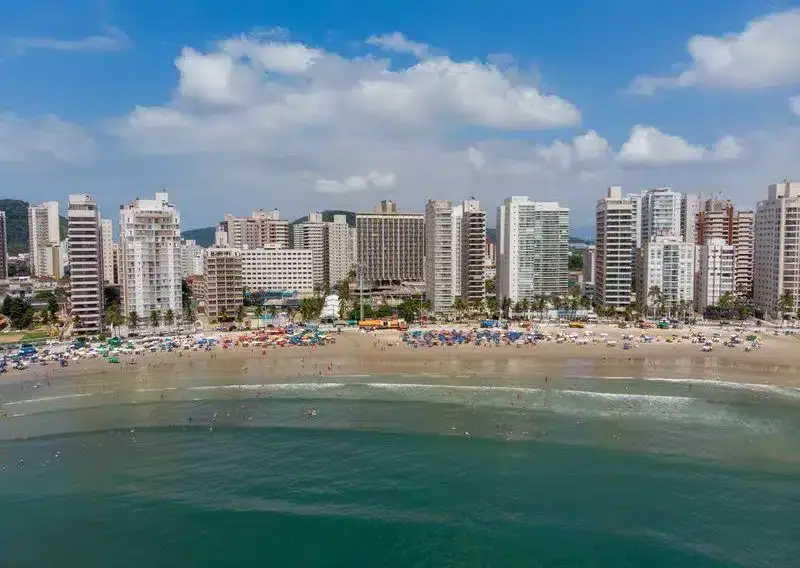
Guarujá's history goes far beyond its beaches. The city sits on Santo Amaro Island, next to Santos, and has been part of the colonization of the São Paulo coast from the very beginning. Here are the key moments in how the island became the “Pearl of the Atlantic.”
The first navigators
In the early 16th century, Portuguese expeditions sailed along the coast of what is now São Paulo state. One of them, in 1502, included the navigator Amerigo Vespucci, and local tradition links that voyage to the area of Santa Cruz dos Navegantes Beach, at the entrance to the port channel.

Santo Amaro Island in colonial times
In 1534, the Portuguese Crown divided Brazil into captaincies (hereditary land grants), and the island went to Pero Lopes de Sousa, grantee of the Santo Amaro captaincy. Even so, settlement was slow: the mountainous terrain, mangroves and dense forest made access difficult, and the colonists preferred neighboring São Vicente, founded in 1532, and later Santos.
The island gained military importance. In the late 16th century, the Fortaleza de Santo Amaro da Barra Grande was built to guard the entrance to the Port of Santos, and the Bertioga channel was fortified as well. For about three centuries, the population was limited to small communities of fishermen and farmers — the roots of the city's caiçara culture (the traditional fishing culture of the coast).
The 1893 seaside village
In the late 19th century, with coffee making São Paulo rich and the railroad linking the plateau to the Port of Santos, the island drew unprecedented interest. A group of São Paulo businessmen built a planned seaside village there, with a hotel, a church, a casino and dozens of prefabricated wooden chalets shipped from the United States, plus running water, sewers and electric lighting.
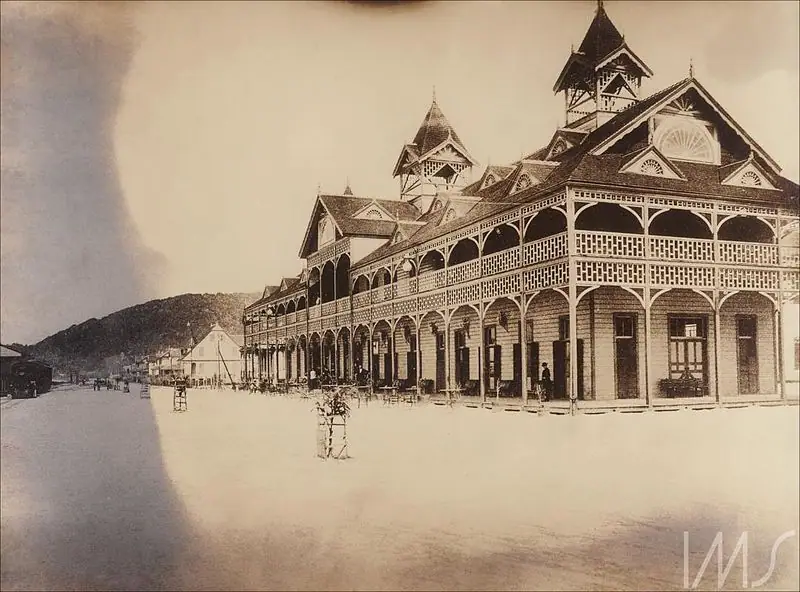
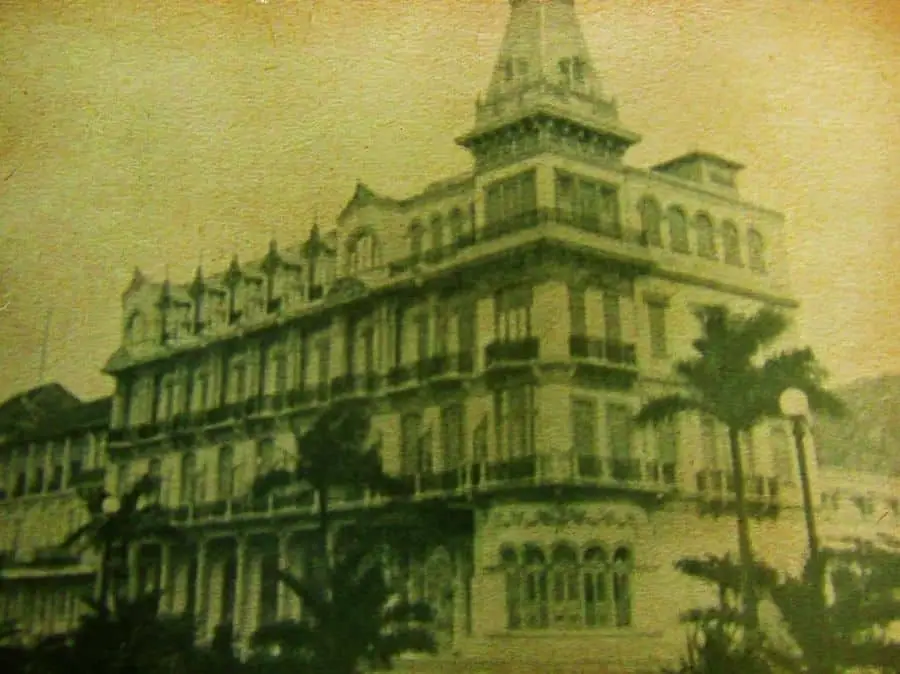
The village opened on September 2, 1893 — considered Guarujá's founding date — and became the summer retreat of São Paulo's elite. The symbol of that era was the Grand Hôtel de La Plage, in Pitangueiras, a landmark of luxury tourism on the coast; its name lives on in the Shopping La Plage mall.
Independence and the 20th century
Administratively tied to Santos, Guarujá became an independent municipality on June 30, 1934, as a designated seaside resort town. Over the 20th century, the ferry, the highways and the waterfront high-rises turned the old village into the leading beach destination in the Baixada Santista region, with beaches such as Enseada, Pitangueiras and Pernambuco.
The story in four dates
| Year | What happened |
|---|---|
| 1534 | The island becomes part of the Santo Amaro captaincy, granted to Pero Lopes de Sousa. |
| Late 16th century | The Fortaleza de Santo Amaro da Barra Grande is built at the entrance to the Port of Santos. |
| 1893 | The seaside village opens on September 2. |
| 1934 | Guarujá becomes an independent municipality on June 30. |
To visit the places in this story, see how to explore Guarujá's history and culture and the city's historic landmarks.
Be part of Guarujá's story
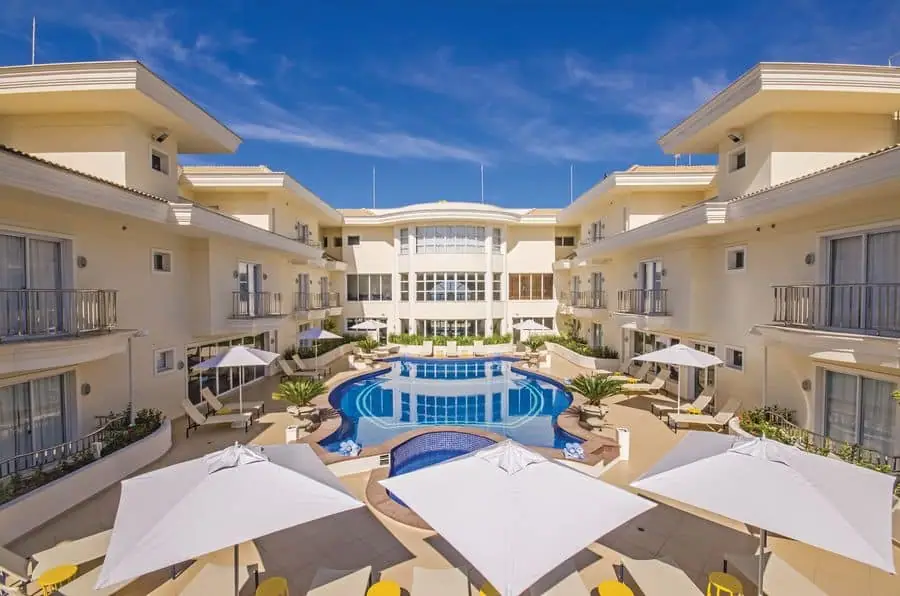
Facing Enseada Beach, Hotel Doral Guarujá offers breakfast included, a climate-controlled adults' pool, a gym, a sauna, beach service, a game room, complimentary bikes and the MONY restaurant. To book, contact our team on WhatsApp, 24 hours a day.
Frequently asked questions
When was Guarujá founded?
The seaside village opened on September 2, 1893, which is considered the founding date. Guarujá became an independent municipality on June 30, 1934.
Why is Guarujá called the Pearl of the Atlantic?
It is a traditional nickname for the city, tied to the beauty of its beaches and its past as a luxury seaside resort for São Paulo's elite.