
Guarujá on Santo Amaro Island: What's the Story?
For many families from São Paulo, Guarujá is part of their fondest memories: childhood vacations, the ferry crossing, their first swims in the ocean. That bond goes back a long way — and it starts with a detail many people forget: Guarujá is on an island.
Guarujá is on Santo Amaro Island
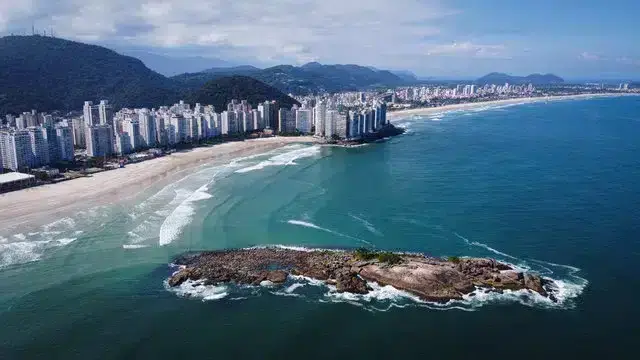
The city covers Santo Amaro Island, separated from the mainland by the Bertioga Channel and from São Vicente Island — home to Santos and São Vicente — by the Santos estuary. That estuary, where river meets sea, is home to the Port of Santos, the largest in Brazil, with facilities on both banks.
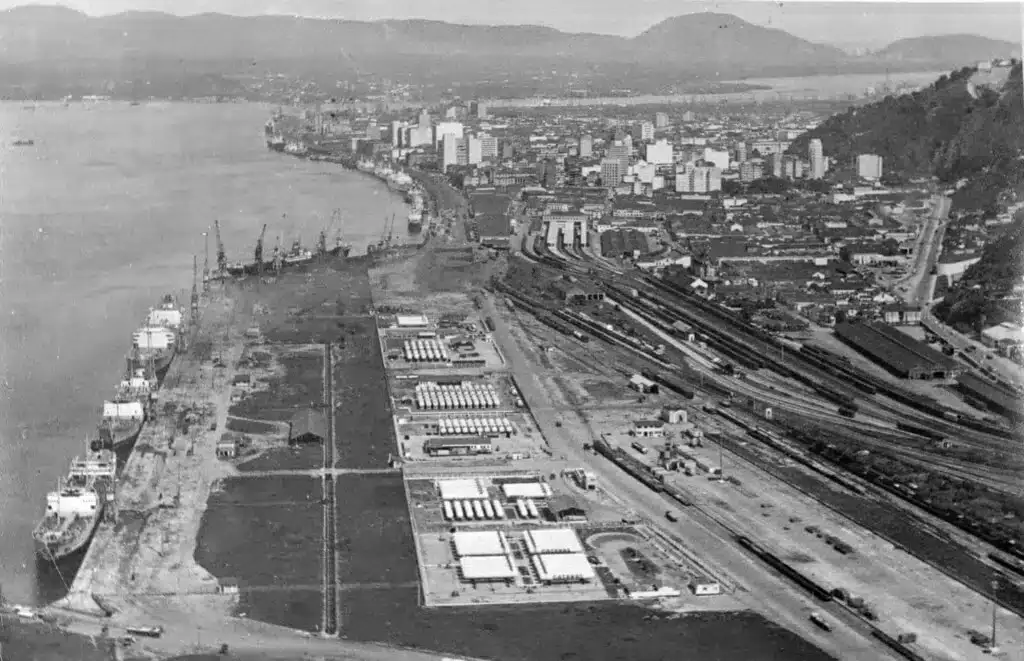
The crossing, the boat and the train
For a long time, getting to Guarujá meant crossing the estuary. Along with the seaside resort, opened in 1893, came regular boat service between Santos and the island and the Tramway do Guarujá, the rail line that carried passengers to Pitangueiras Beach. Those who lived through that era remember the trip fondly: the boat, the train across the island and, at the end, the ocean.
Later came the car ferries, which still make the crossing between Santos and Guarujá today — see the history of the ferry and the ferry crossing guide.
The Sobre as Ondas building
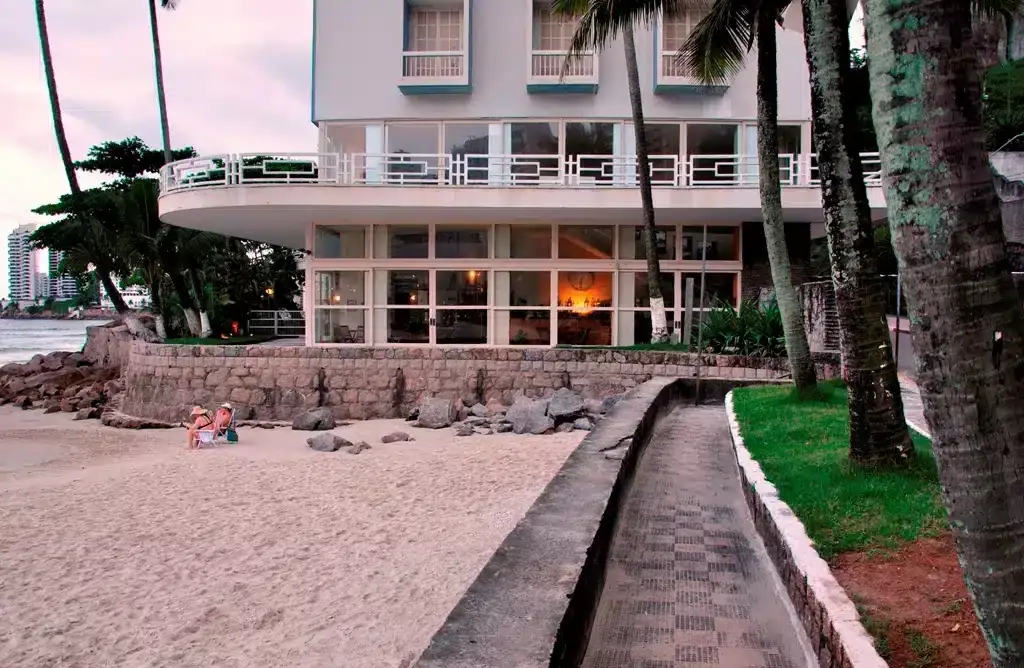
Between Pitangueiras and Astúrias beaches, a building with flowing curves was built literally on the rocks at the water's edge: the Edifício Sobre as Ondas (“Above the Waves”), affectionately known as SAO. The land was bought by Antônio Roberto Alves Braga, and the design, by architects Oswaldo Corrêa Gonçalves and Jaime Campello Fonseca Rodrigues, was approved by the city on October 26, 1945.
It was a glamorous era: São Paulo's high society frequented Guarujá's casino and the city's few hotels. In 1946, gambling was banned in Brazil and the casinos closed, but construction went on, and the building officially opened on July 17, 1951.
The building was set directly into the rock, without conventional foundations, and its curves follow the sea, with views of both beaches. It has 88 one-, two- and three-bedroom apartments, plus the penthouse units. The design was shown at the Milan Triennale and won an award at the 4th Pan-American Congress of Architects in Lima, and the building has been a protected landmark of Condephaat, São Paulo state's heritage council, since 2013.
The highway shortens the trip
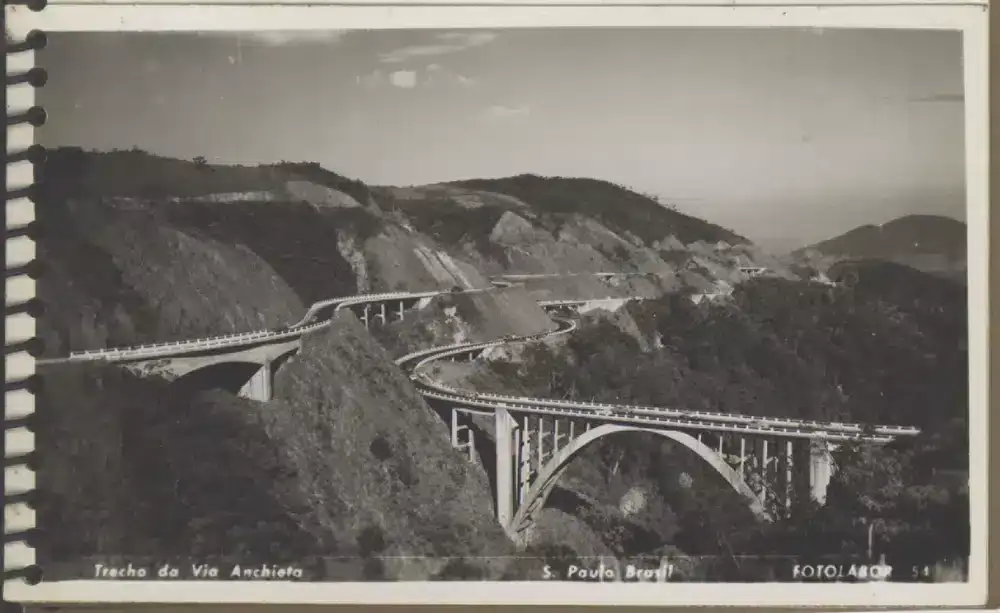
Around the same time, the Via Anchieta highway, opened in 1947, shortened the drive from São Paulo to the coast and helped popularize summer vacations in the Baixada Santista. In the 1970s, the Cônego Domênico Rangoni Highway, known as Piaçaguera–Guarujá, about 30 km (19 miles) long, created an overland link to the island and took some of the traffic off the ferries. It's still the road most visitors from São Paulo take today, via the Anchieta or Imigrantes highways — see how to get to Guarujá.
Visiting today
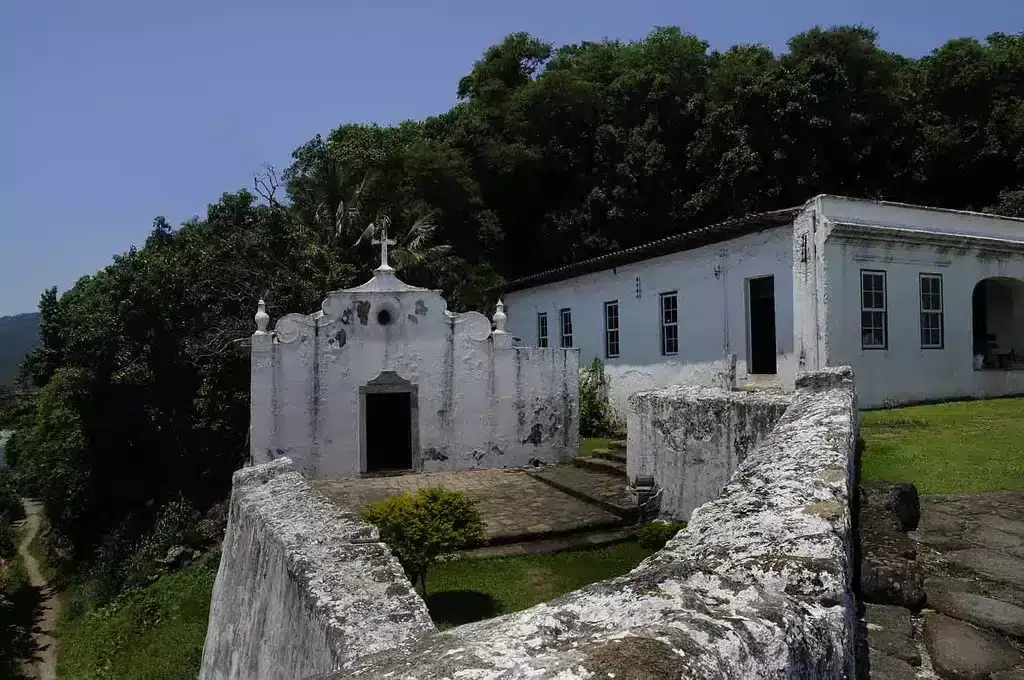
Sobre as Ondas is a residential building, but you can admire it from outside on a stroll along the Pitangueiras beachfront. To keep traveling back in time, visit the Fortaleza da Barra Grande and read about the history of Guarujá and the city's historic landmarks.
Staying at Hotel Doral Guarujá, facing Enseada Beach, gives you a comfortable base to explore the island. To book, contact our team on WhatsApp, 24/7.

Frequently asked questions
Is Guarujá on an island?
Yes. Guarujá covers Santo Amaro Island, separated from Santos by the estuary and from the mainland by the Bertioga Channel. You can reach it by land on the Cônego Domênico Rangoni Highway or by the ferries from Santos.
When was the Sobre as Ondas building built?
The design was approved in 1945 and the building opened on July 17, 1951. It stands between Pitangueiras and Astúrias beaches and is a protected landmark of Condephaat.