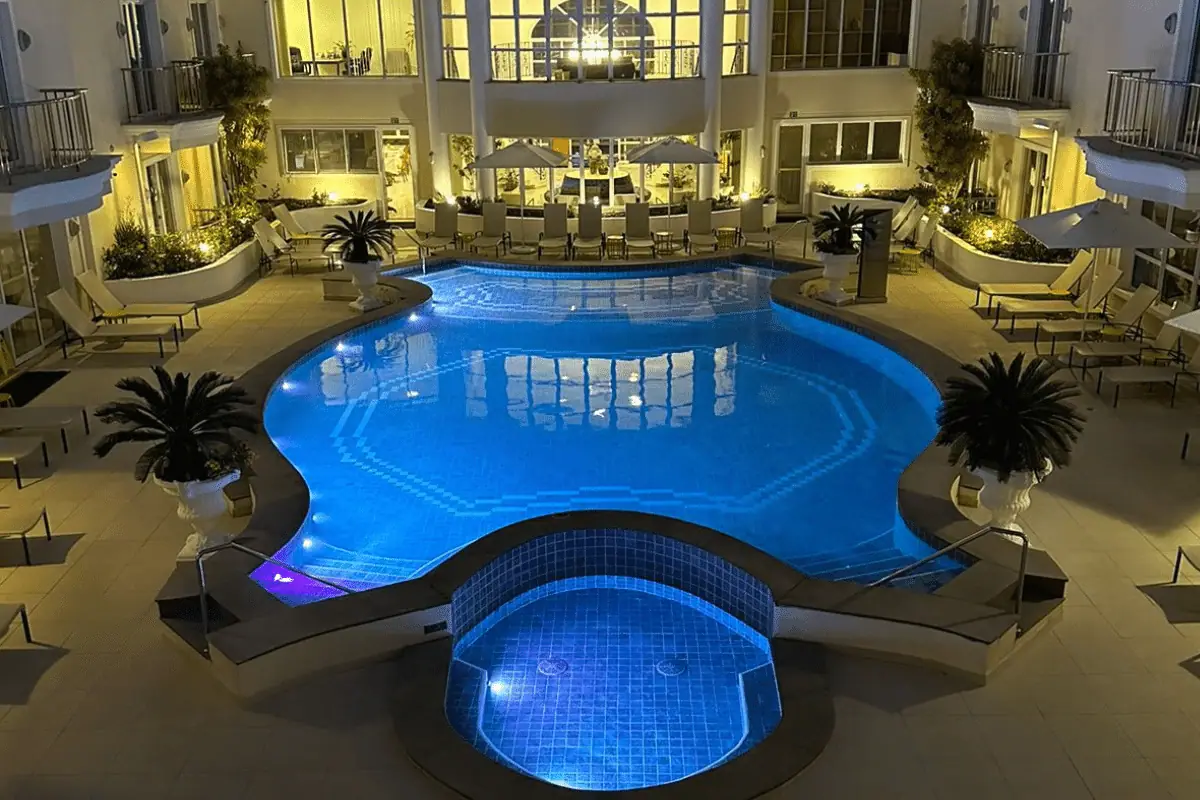

Half Board or All-Inclusive: What's the Difference and How to Choose?


When planning a trip, one of the key decisions is the meal plan the hotel offers. Two of the most common options are half board and all-inclusive, each with its own features. Your choice can make a big difference to your experience and to the total cost of the trip, so it's worth understanding how they differ and which one best fits your needs and expectations.
In this guide, we look at what each plan offers, the pros and cons of half board and all-inclusive, and how to make the right choice for your travel style.
What is half board?
Half board generally includes two meals a day, usually breakfast and dinner. The idea is simple: you're free to explore the destination and have lunch wherever you like, then return to the hotel for an evening meal. This plan is popular in destinations with plenty of restaurants and attractions outside the hotel.
With half board, breakfast is usually a buffet, with a variety of breads, fruit, juices, cereals and hot dishes. Dinner may be a buffet or à la carte, depending on the hotel. Some hotels also let you swap dinner for lunch if you plan to spend the evening out.
Pros of half board
- Freedom to explore: since half board covers only two meals, you're free to go out and try local restaurants. It's ideal if you enjoy discovering the destination's food culture.
- Value for money: since you don't pay for all three daily meals at the hotel, half board tends to cost less than all-inclusive. It's a great option if you want to save without giving up the comfort of a full meal at the hotel.
- More control over your day: half board lets you organize your day better, deciding where to have lunch and planning around dinner at the hotel. It's ideal if you spend the day sightseeing and come back only in the evening.
Cons of half board
- Extra food costs: since lunch isn't included, you'll pay for it at restaurants outside the hotel. In some tourist destinations, that can add up and strain the budget.
- Meal planning: if you prefer the convenience of having every meal at the hotel, half board takes a bit more planning. You'll need to pick a place for lunch and set aside time for it during your outings.
- Set meal times: half board sometimes comes with fixed times for breakfast and dinner, which can be limiting if you like flexibility.
What is all-inclusive?
An all-inclusive plan covers every meal — breakfast, lunch and dinner — plus drinks (alcoholic and non-alcoholic) and, in many cases, snacks throughout the day. It's ideal if you want a more complete vacation, with all meals and drinks included in the room rate. All-inclusive is especially common at resorts and leisure hotels, where guests spend most of their time on the property.
Pros of all-inclusive
- Comfort and convenience: you don't have to look for restaurants, because everything is served at the hotel. It's ideal if you want to relax and make the most of the hotel's facilities.
- Plenty of choice: many all-inclusive hotels offer a wide range of dishes and themed buffets, so you can try different cuisines without leaving the property.
- Savings on drinks and snacks: all-inclusive is a great option if you drink alcohol or sodas and snack throughout the day, since it's all included. In destinations where drinks are expensive, that can be a big advantage.
- Activities included: some all-inclusive hotels also offer activities such as dance classes, water sports and evening shows at no extra cost, adding even more value, especially for families.
Cons of all-inclusive
- Higher cost: all-inclusive tends to cost more than half board, since it covers every meal and drink. If you don't drink much or prefer to explore local restaurants, the extra cost may not be worth it.
- Less reason to go out: with every meal included, many guests end up staying at the hotel and miss out on the destination. If you love sightseeing and local food, that can be a drawback.
- Uneven food quality: sometimes the food and drinks in an all-inclusive aren't as good as in à la carte restaurants. Research the hotel carefully and read reviews of the food and service.
How to choose between half board and all-inclusive
The choice depends on several factors, including your budget, the kind of trip you want and your personal style. Here are a few tips to help you pick the right plan.
Consider the type of trip
If you're heading somewhere you plan to explore a lot, half board may be the better choice, since it gives you more flexibility. If the idea is to spend your days relaxing at the hotel or resort, enjoying its comforts, all-inclusive may be more convenient.
Look at the destination
Where eating out is expensive, all-inclusive can mean considerable savings. Where local restaurants are plentiful and affordable, half board offers good value and lets you explore the local cuisine.
Check your budget
On a tighter budget, half board tends to be cheaper, especially if you don't care much for alcoholic drinks or extra snacks. If you want a complete experience without worrying about extra charges during your stay, all-inclusive may be worth the investment.
Your travel profile
Your travel profile matters too. For families with kids or honeymooners who want to make the most of the hotel, all-inclusive offers a complete experience. For adventurous travelers who prefer to spend the day out and don't need every meal included, half board is the more practical choice.
Length of stay
For a short stay, all-inclusive can be appealing, offering more convenience and letting you enjoy the hotel to the fullest in little time. For longer stays, half board may work better, letting you vary your routine and discover new places to eat.
When to choose half board or all-inclusive
- Busy tourist destinations: in cities with lots of restaurants and attractions, half board is the best choice, since it lets you explore the local food.
- Resorts and remote hotels: where the hotel is far from restaurants, all-inclusive is more convenient, since you don't have to travel for meals.
- Family trips: when traveling with kids, all-inclusive is practical, since every meal and snack is available at the hotel, making things easier to organize and keeping the little ones happy.
- Short trips or weekend getaways: on a short stay, all-inclusive delivers a complete, hassle-free experience, ideal if you want to relax without planning meals.
Conclusion
Choosing between half board and all-inclusive comes down to your travel style and personal preferences. Half board gives you the flexibility to explore, while all-inclusive offers the comfort and convenience of having every meal and drink included. Weigh the destination, the length of your stay, your budget and your priorities to choose the plan that best fits the experience you want.
Whichever you choose, both half board and all-inclusive have their own advantages, and either can make your trip unforgettable.
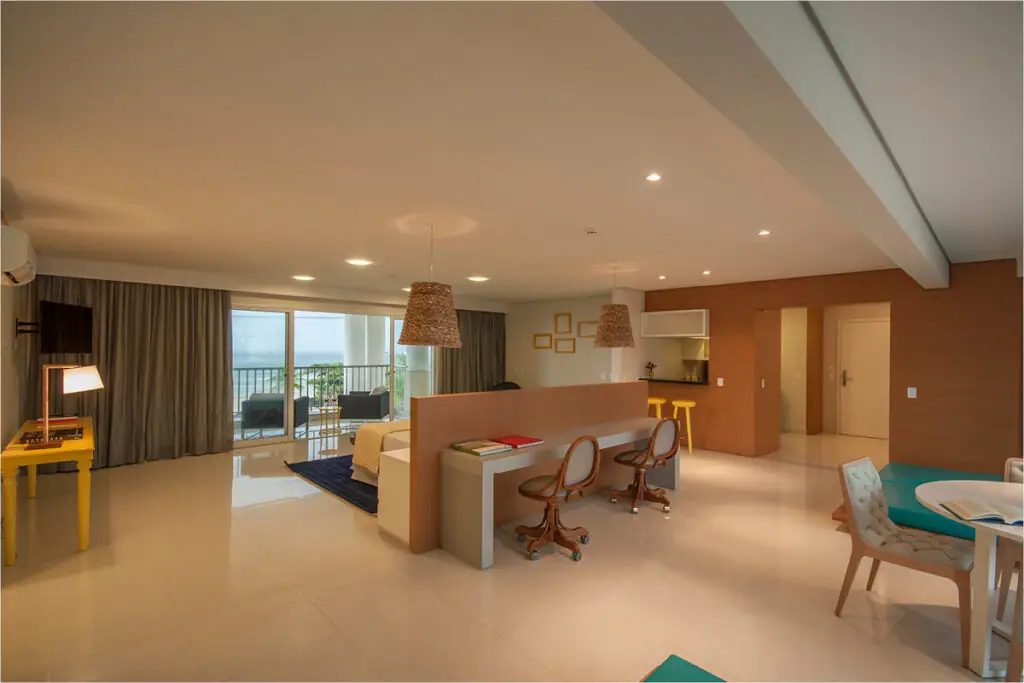
What about Hotel Doral Guarujá?
Hotel Doral Guarujá includes breakfast in the rate, served from 7:30 to 10:30 a.m. Lunch and dinner are up to you: at MONY restaurant, with lunch from noon to 3 p.m. and dinner from 7 to 10:30 p.m. (closed Wednesdays), at the bar, which serves food and drinks every day, or at restaurants around town — see the guide to what to eat in Guarujá.
If you want to see the city, it's the best of both worlds: you can have lunch at the beach and pick a different place for dinner each day, without paying for meals you won't eat. And you still enjoy the hotel's amenities, facing Enseada Beach: a climate-controlled adult pool, a kids' pool, a gym, a game room, a kids' playroom, a sauna, massages and a jacuzzi by appointment, plus beach service.
To book, contact our team on WhatsApp, 24/7. See also resort or hotel in Guarujá and schooner trips in Enseada.
Frequently asked questions
What is the difference between half board and all-inclusive?
Half board includes two meals a day, usually breakfast and dinner. All-inclusive covers every meal and, generally, drinks and snacks throughout the day.
Is Hotel Doral Guarujá all-inclusive?
No. The rate includes breakfast, served from 7:30 to 10:30 a.m. Lunch and dinner are extra at MONY restaurant, which is closed on Wednesdays, or at the bar, open every day.